
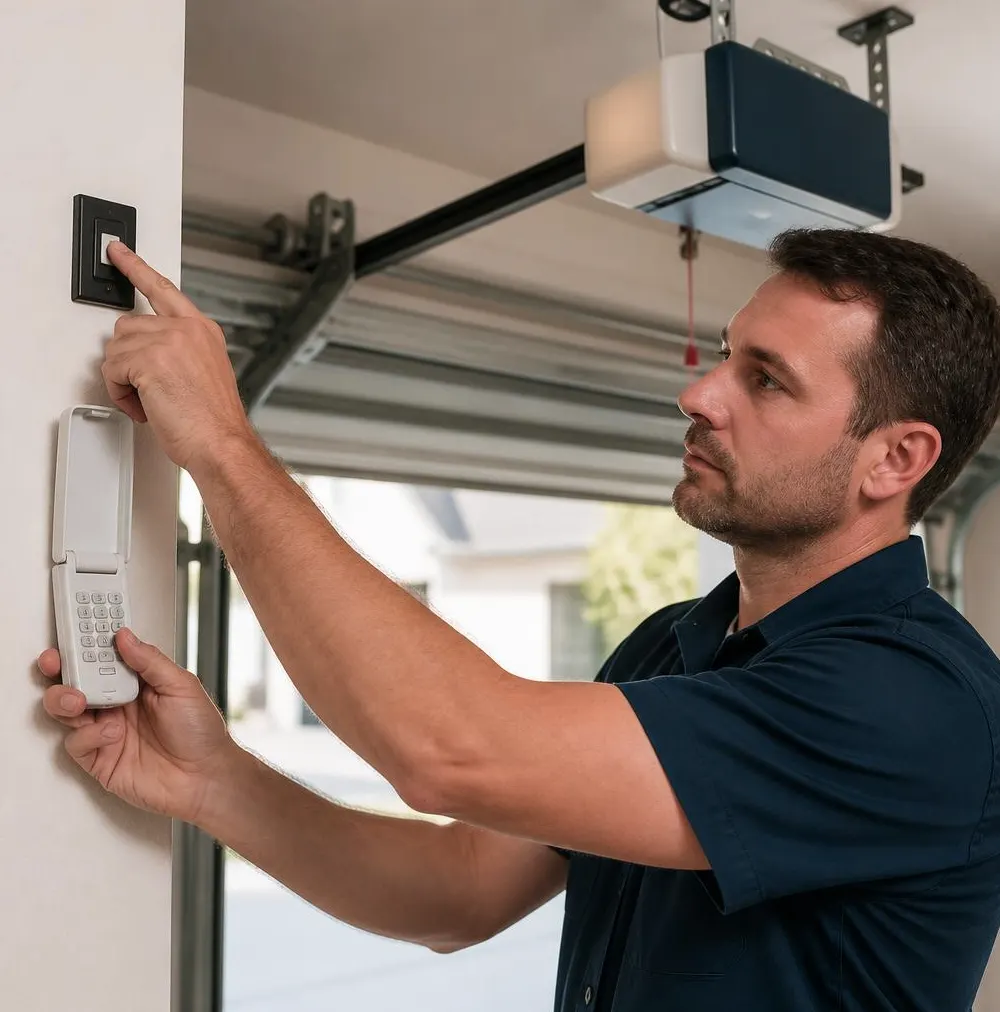
The short answer: a failing spring usually shows itself through gaps in the coils, rust, a door that suddenly feels heavy, uneven movement, or loud popping sounds during operation. If you notice two or more of these, treat it as a spring on borrowed time, not a minor annoyance.
Garage door springs do all the heavy lifting—literally. A torsion spring mounted above the door, or a pair of extension springs running along the horizontal tracks, counterbalances a door that can weigh well over 100 pounds. When a spring weakens or breaks, that weight transfers instantly to the opener, the cables, or whoever happens to be lifting the door by hand. In a humid climate like ours, where afternoon storms and salt-tinged air speed up rust and metal fatigue, springs often wear out faster than the manufacturer's rated cycle count suggests. Here's how to check yours before it becomes an emergency.
Walk the Checklist
1. Look for Gaps Between the Coils
With the door closed and the opener disconnected, look at the torsion spring above the door. Healthy coils sit tight against each other. If you see daylight between coils in one section, or the spring looks stretched unevenly, that's metal fatigue setting in. If it fails: the spring can lose tension gradually or snap outright, often with a loud bang.
2. Check for Rust and Pitting
Run your eyes (not your fingers—springs under tension are dangerous) along the full length of the spring. Surface rust is common here given the humidity, but look for pitting, flaking, or discoloration that eats into the metal itself. If it fails: rust weakens the coil wire from the inside out, making a sudden break more likely, especially right after a stretch of heavy rain.
3. Test How the Door Feels When Lifted by Hand
Disconnect the opener using the release cord, then lift the door manually about halfway. A door with good springs should feel relatively light and stay in place when you let go. If it fails: a door that feels heavy, drops on its own, or takes real effort to raise means the springs are no longer carrying their share of the load.
4. Listen to the Opener Motor
Run the door with the opener connected and listen closely. A motor that strains, slows down mid-cycle, or makes a grinding sound under load is compensating for springs that aren't pulling their weight. If it fails: the opener's gears and drive mechanism wear out faster trying to do a job the springs used to handle.
5. Watch for Uneven or Crooked Movement
Stand back and watch the door travel through a full cycle. It should move smoothly and stay level. If it fails: a door that tilts to one side, jerks, or looks crooked partway up often points to one torsion spring failing while the other still holds, or one extension spring stretched more than its partner.
6. Check Extension Spring Length
If your system uses extension springs (the long springs running along the tracks rather than a single spring above the door), compare their resting length to when they were installed, if you have that reference, or simply look for visible stretching, gaps between coils, or one spring noticeably longer than the other. If it fails: uneven extension springs throw off the door's balance and put extra strain on the cables and pulleys.
7. Note Any Loud Pops or Bangs During Use
Springs under stress sometimes make noise before they fail completely—a sharp pop, a metallic twang, or a bang that sounds like it came from inside the garage. If it fails: this is often the last warning before a full break, so treat any unexplained loud noise from the spring area as urgent.
8. Inspect Cables Near the Springs
While you're checking springs, glance at the cables running from the bottom brackets up to the drums. Fraying, kinks, or slack cable near a torsion spring often shows up alongside spring wear, since the whole system shares the load. If it fails: a failing cable combined with a weak spring is a fast path to a door that drops without warning.
Why Our Climate Speeds This Up
Springs are rated for a certain number of open-close cycles, but that number assumes dry, stable conditions. Around Georgetown, Crescent City, Palatka, and the surrounding areas, humidity and salt air work against the metal year-round, and hurricane-season storms add sudden swings in moisture and wind load on the door itself. That combination means visible rust or pitting often shows up well before a spring reaches its rated cycle count, so a visual check a couple of times a year is worth the five minutes it takes.
When to Call Georgetown Garage Door Repair
If you've spotted gaps in the coils, rust that's eaten into the wire, a door that suddenly feels heavy, or any loud popping during operation, stop using the door and call us before it fails on its own. Springs store a dangerous amount of tension, and this isn't a safe DIY repair. Our Garage Door Spring Repair service covers both torsion and extension systems, and if we find related wear on cables or rollers while we're in there, we'll flag it as part of a broader Garage Door Tune-Up & Maintenance visit so you're not calling us back out again in a few months.
If your springs are showing any of these signs, don't wait for the bang. Call Georgetown Garage Door Repair today and we'll get a technician out to your home in Georgetown, FL to check it properly.